Fazilpur, Shahpur Baghanuni (Tajpur, Samastipur)
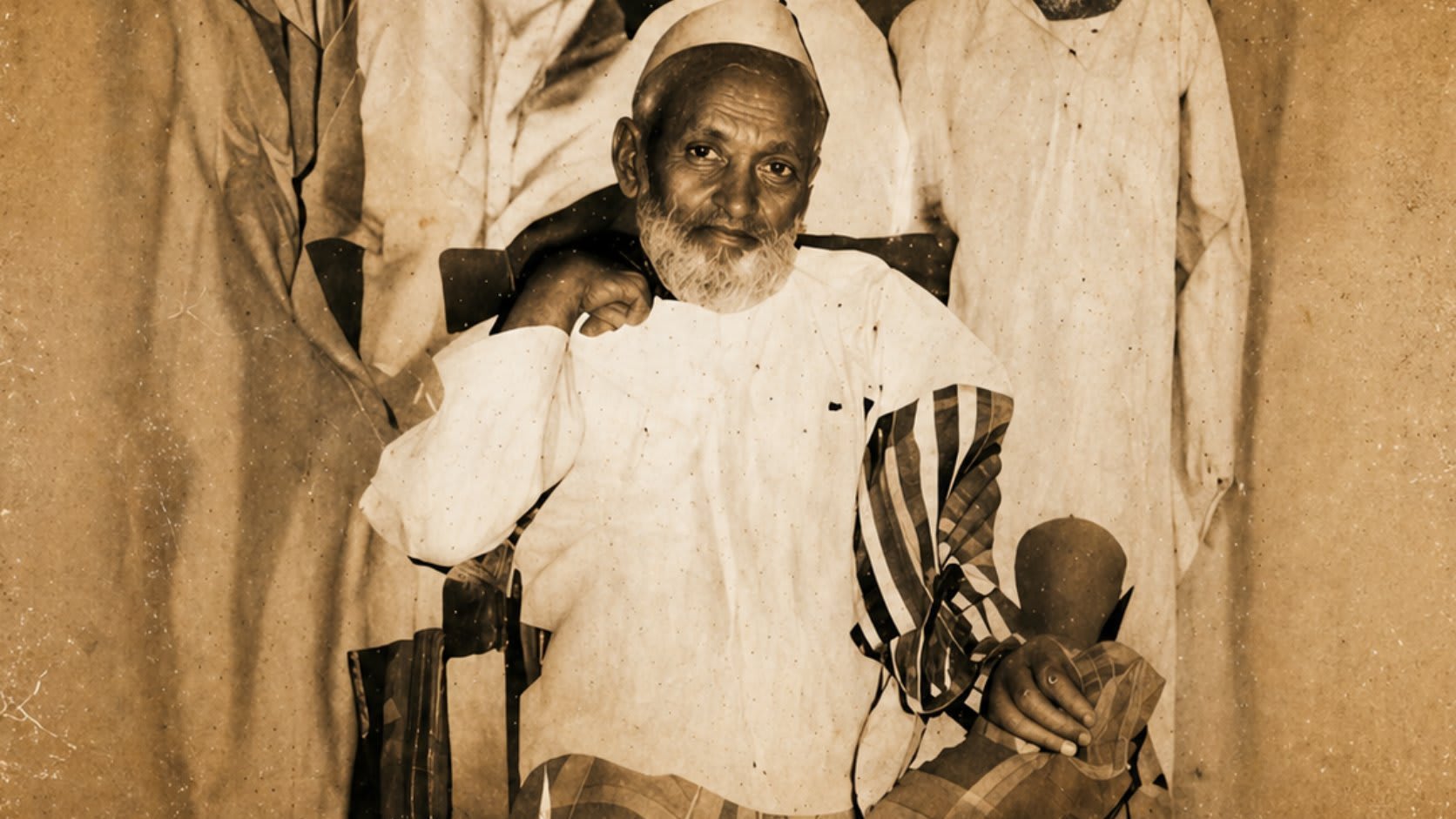
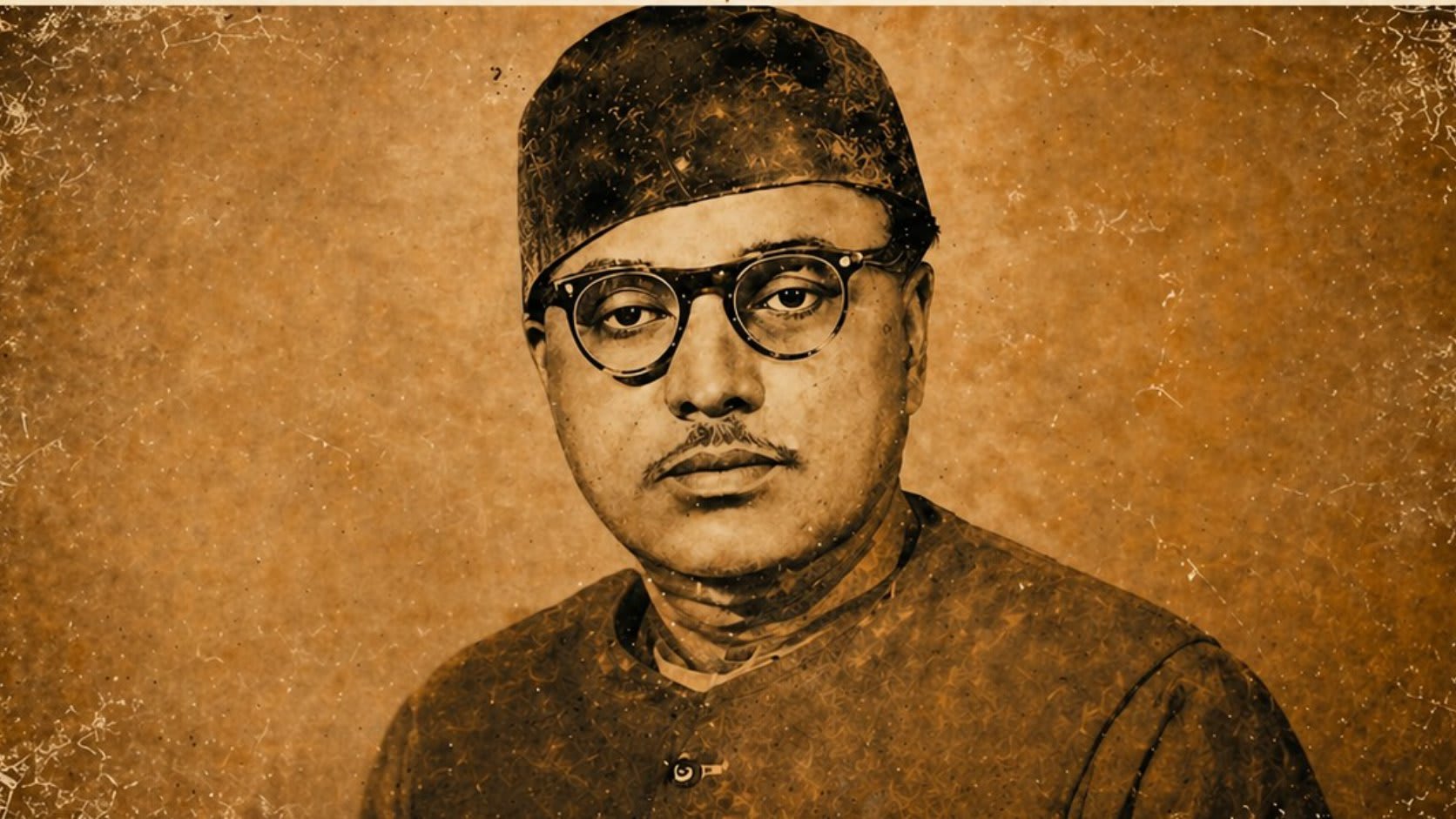
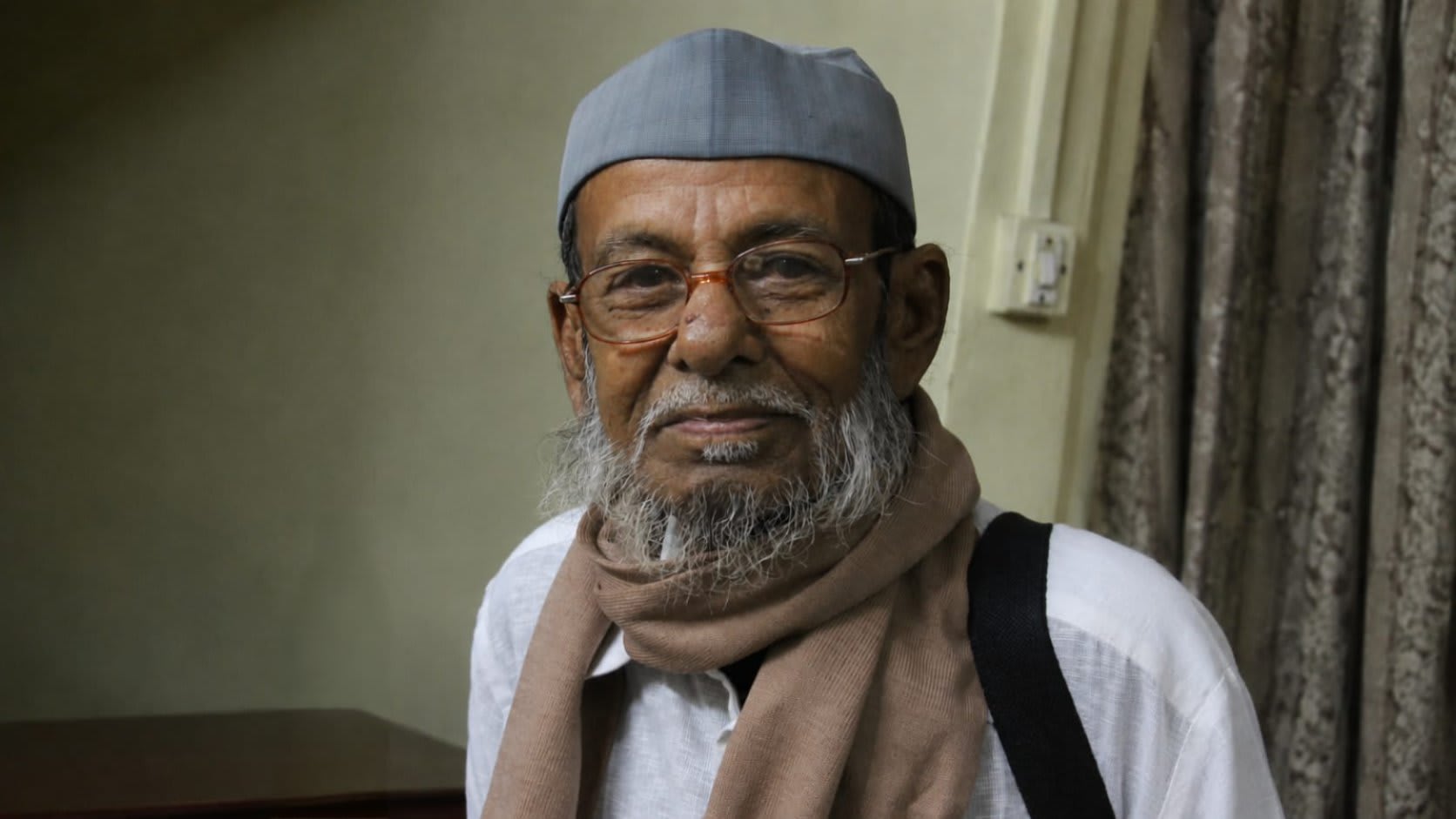
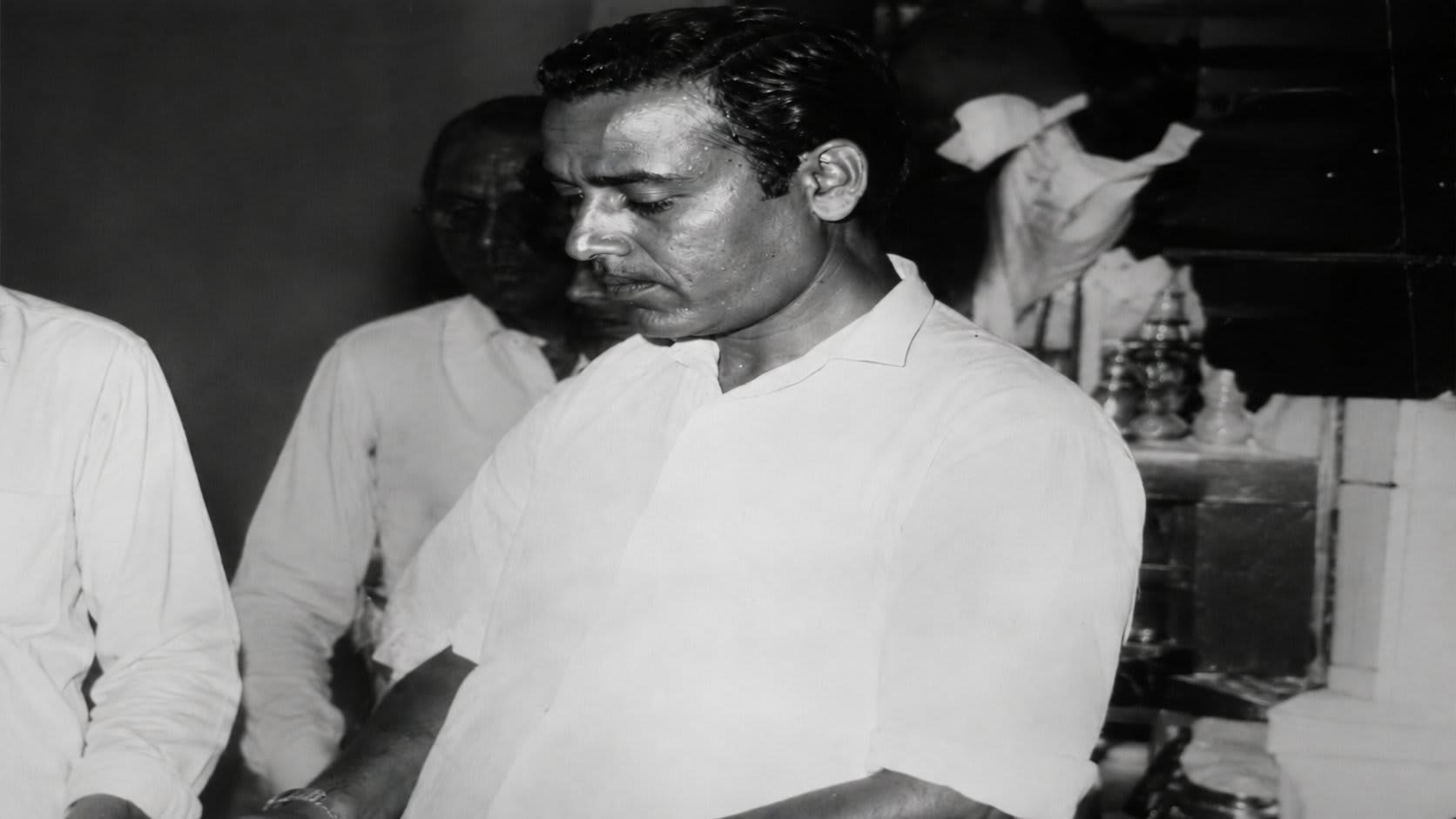
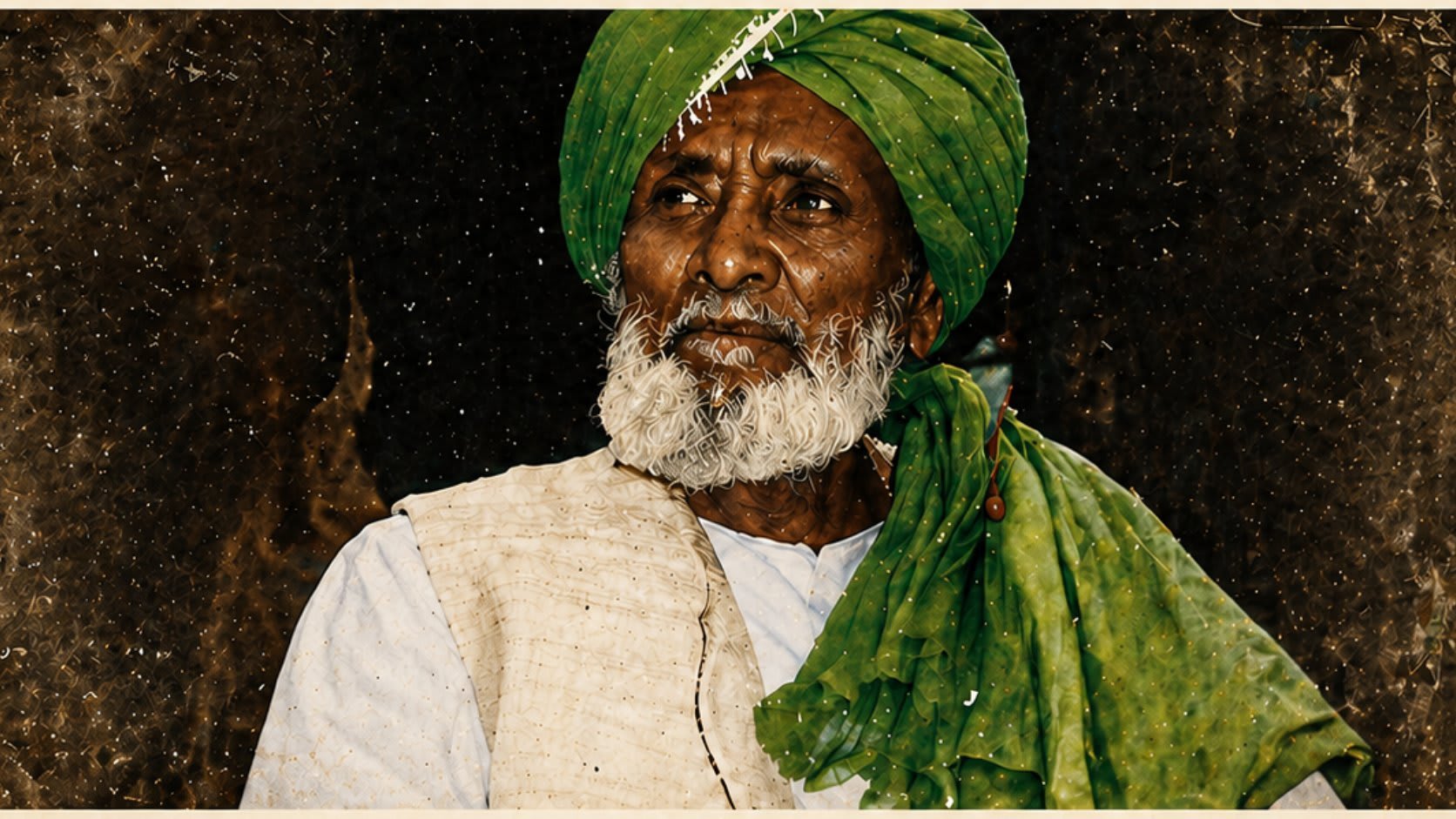
Hakim Abdul Mannan Sadri was one of the most respected and influential personalities in the history of the Sadri family. Born in 1905 in present-day Bihar, he dedicated his life to education, medicine, public service, and the freedom movement of India.
A glimpse into the life, background, and heritage of Hakim Abdul Mannan Sadri.
Hakim Abdul Mannan Sadri was one of the most respected and influential personalities in the history of the Sadri family. Born in 1905 in present-day Bihar, he dedicated his life to education, medicine, public service, and the freedom movement of India. His remarkable journey continues to inspire generations of the Sadri family and remains an important part of the heritage preserved at Sadri Villa in Samastipur.
From an early age, Hakim Abdul Mannan Sadri showed exceptional intelligence and a passion for learning. He pursued advanced studies in Urdu, Persian, Arabic, and English in Delhi, gaining deep knowledge in both classical and modern subjects. He later studied traditional Unani medicine at the prestigious Tibbia College in Lucknow, where he earned the title of Hakim, a respected physician known for healing through natural and traditional remedies.
Hakim Abdul Mannan Sadri became widely known throughout Bihar and neighboring regions for his medical expertise. Patients from distant villages traveled to seek his treatment and advice. He was admired not only for his knowledge but also for his compassion. If a patient was poor or unable to travel, he would personally walk long distances to provide treatment at their home. His commitment to helping others made him a symbol of humanity, generosity, and selfless service.
In addition to his achievements in medicine, he was a dedicated patriot who supported the Indian National Congress during India’s struggle for independence. He actively participated in the movement for freedom and believed strongly in justice, equality, and national unity. His contributions to society reflected both intellectual excellence and deep love for the country.
The legacy of Hakim Abdul Mannan Sadri is deeply rooted in the history of the Sadri family and Sadri Villa. His life represents education, leadership, public service, and devotion to the welfare of others. Today, family members and visitors to Sadri Villa honor his memory as one of the greatest ancestors of the Sadri family in Samastipur, Bihar. His story remains a proud chapter in the family’s heritage and an enduring source of inspiration for future generations.
Important milestones in the life of Hakim Abdul Mannan Sadri.
Born in present-day Bihar into the respected Sadri family, laying the foundation for a life dedicated to education, medicine, and public service.
Received his primary education and developed a strong interest in languages, literature, and Islamic scholarship.
Pursued advanced studies in Urdu, Persian, Arabic, and English, gaining expertise in both classical and modern education.
Studied traditional Unani Medicine at the prestigious Tibbia College, Lucknow, earning the respected title of Hakim.
Started serving patients through Unani medicine and quickly became known for his exceptional medical knowledge and compassionate treatment.
Earned widespread respect by treating patients across Bihar, often traveling on foot to provide medical care to those unable to visit his clinic.
Supported the Indian National Congress and actively participated in India's struggle for independence, promoting justice and national unity.
Continued serving society as a respected physician, educator, and community leader whose guidance benefited countless families.
Remembered as one of the greatest personalities of the Sadri family, whose contributions to medicine, education, and public service continue to inspire future generations.
Direct ancestral lineage leading to Hakim Abdul Mannan Sadri.
Key details about Hakim Abdul Mannan Sadri.
Doctor (Hakim)
Unani Medicine (Hakim)
Fazilpur, Shahpur Baghanuni (Tajpur, Samastipur)
Unani Medicine (Traditional Holistic Healthcare)
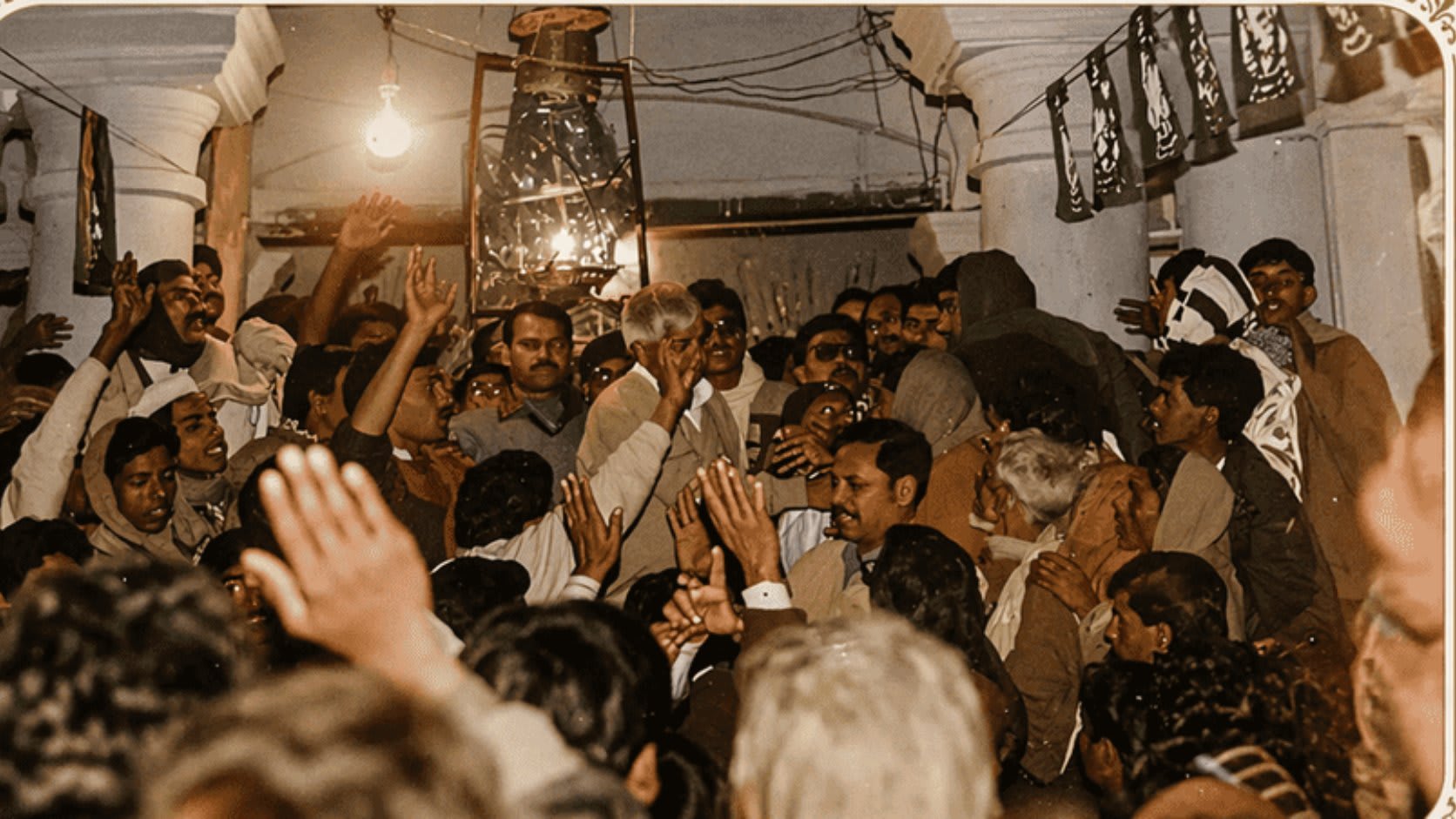
Memorable moments from the life of Hakim Abdul Mannan Sadri.
Explore other members of the Sadri Villa Heritage family.