New Delhi
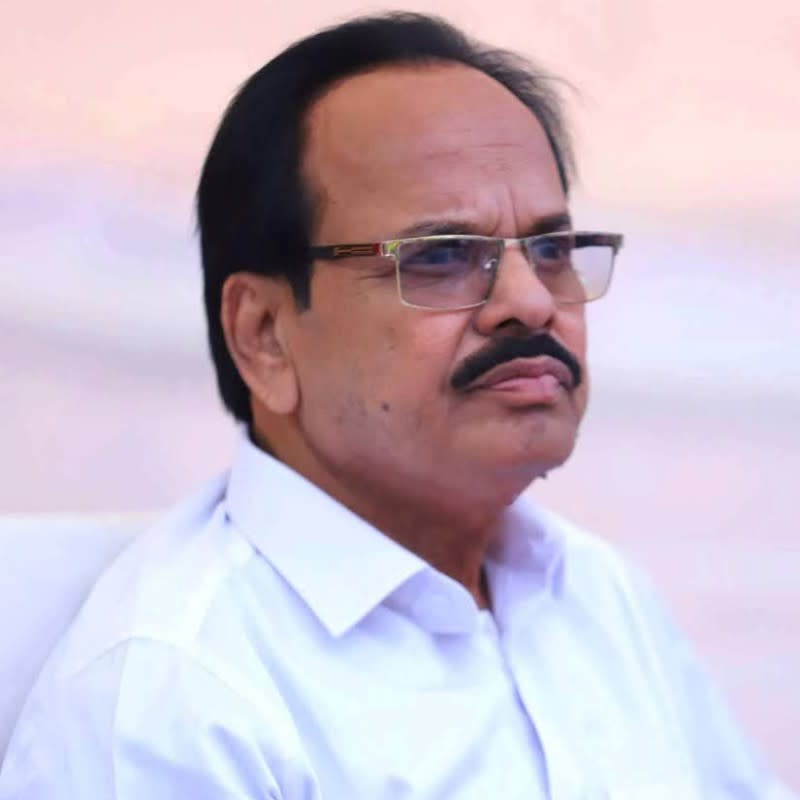
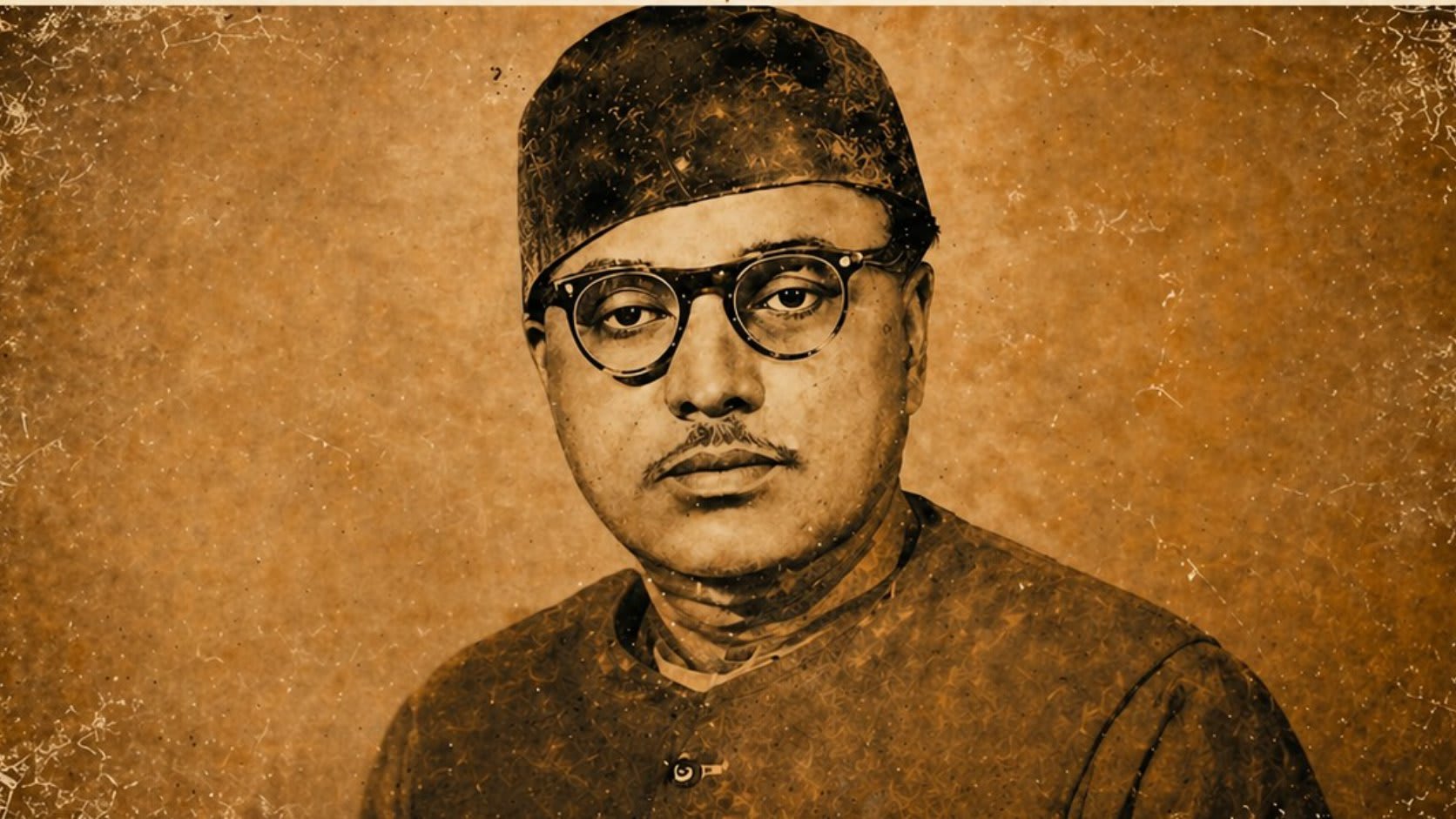
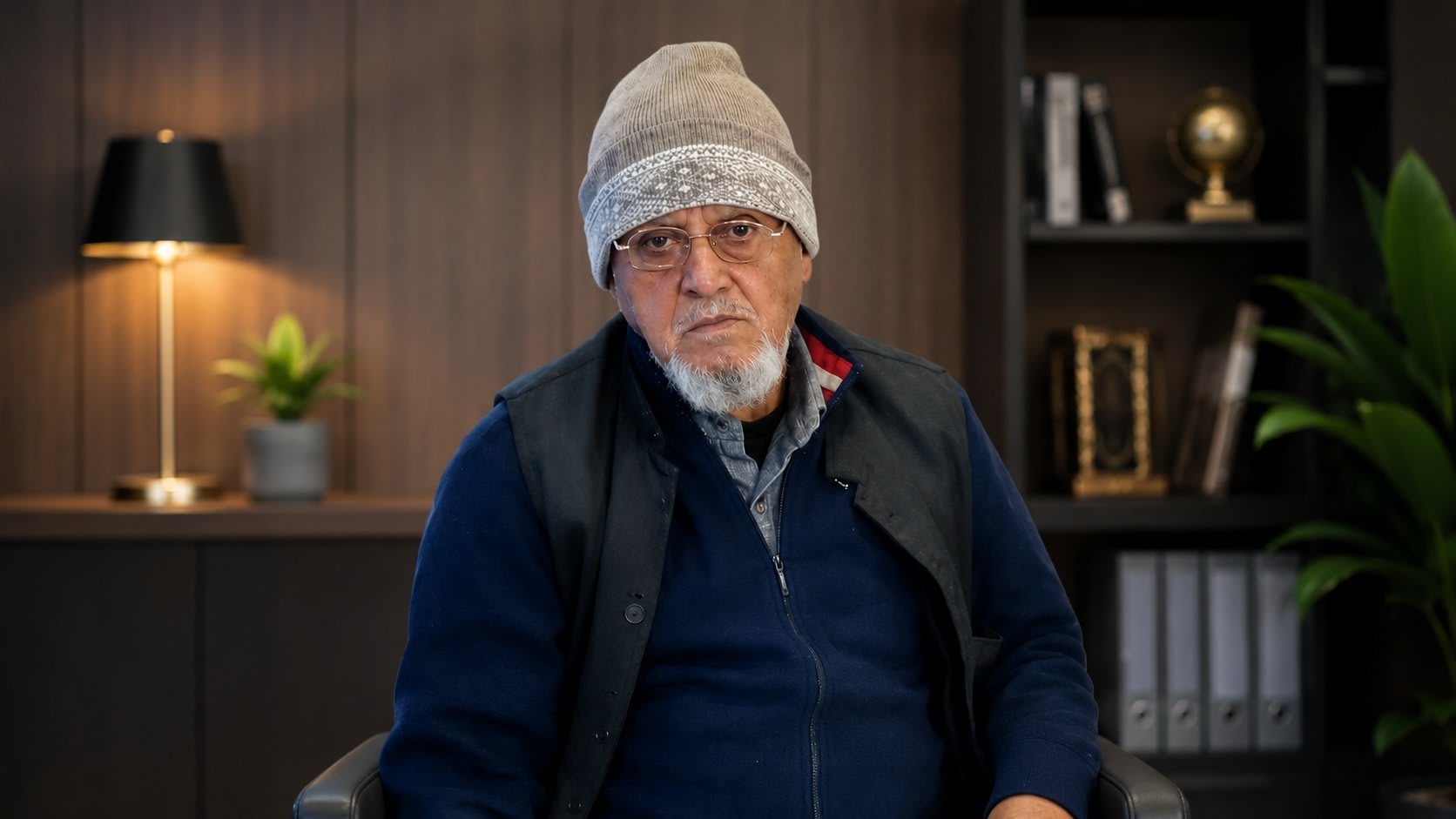
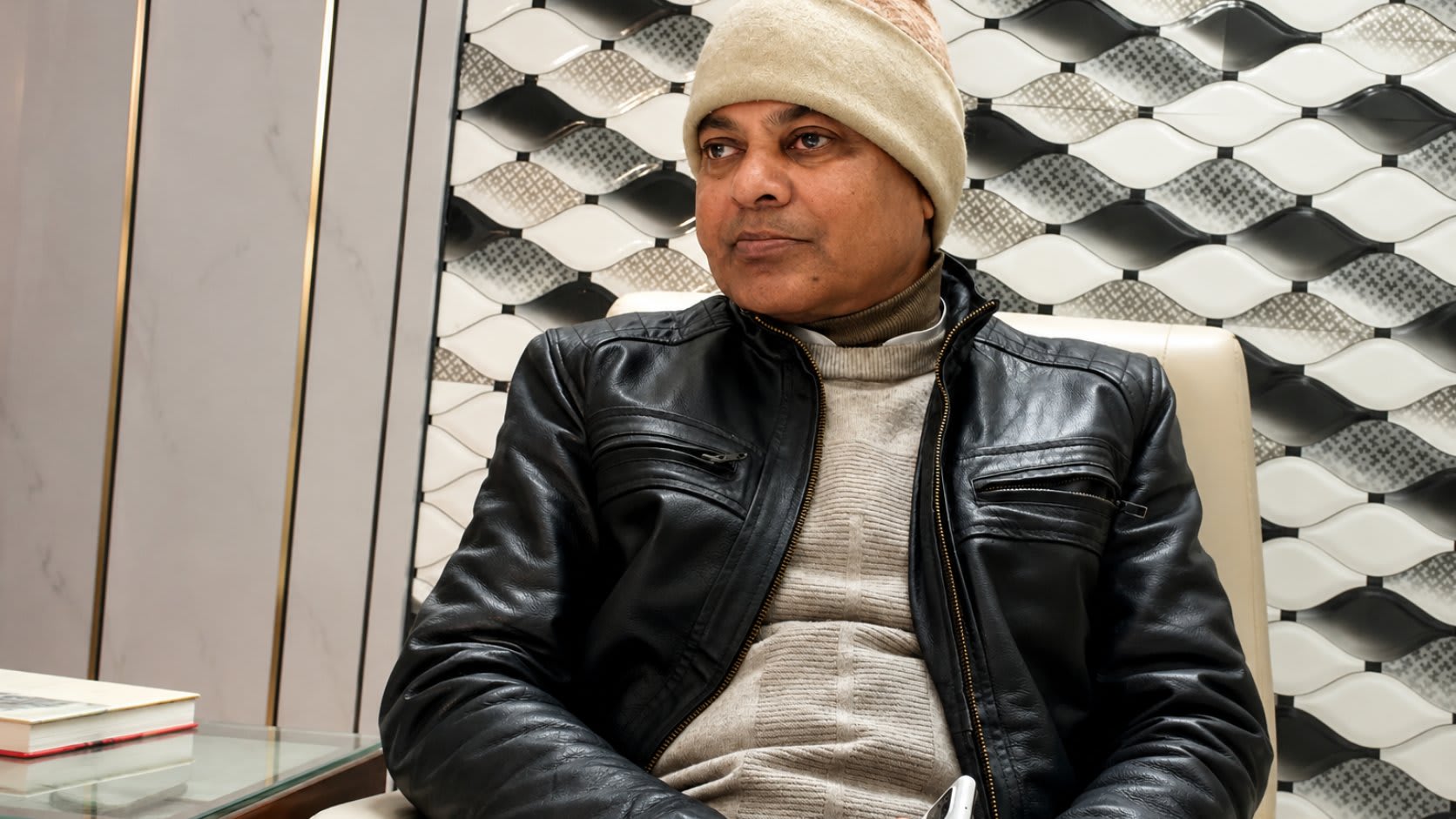
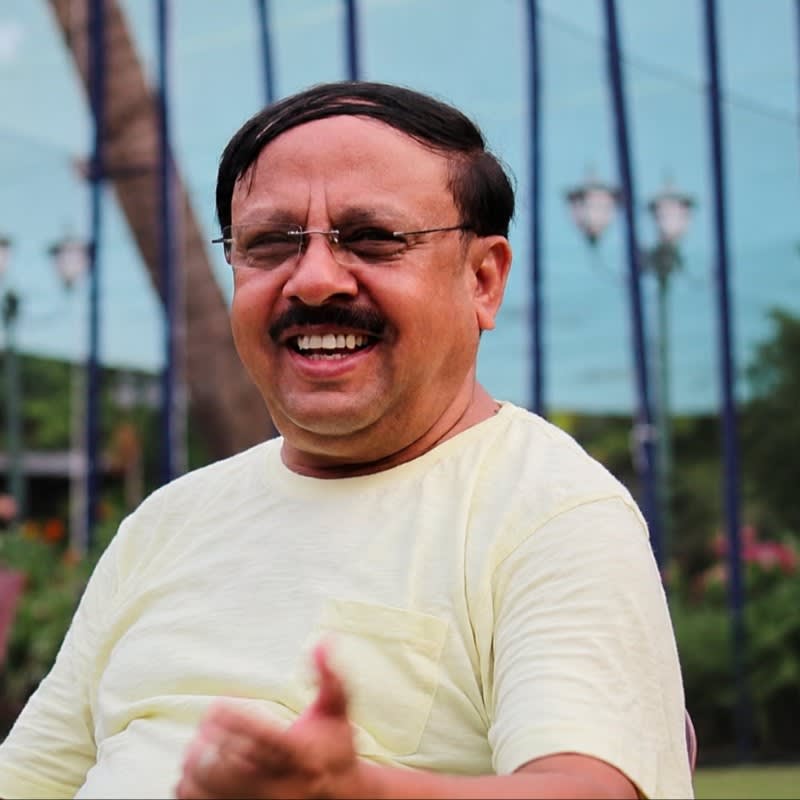
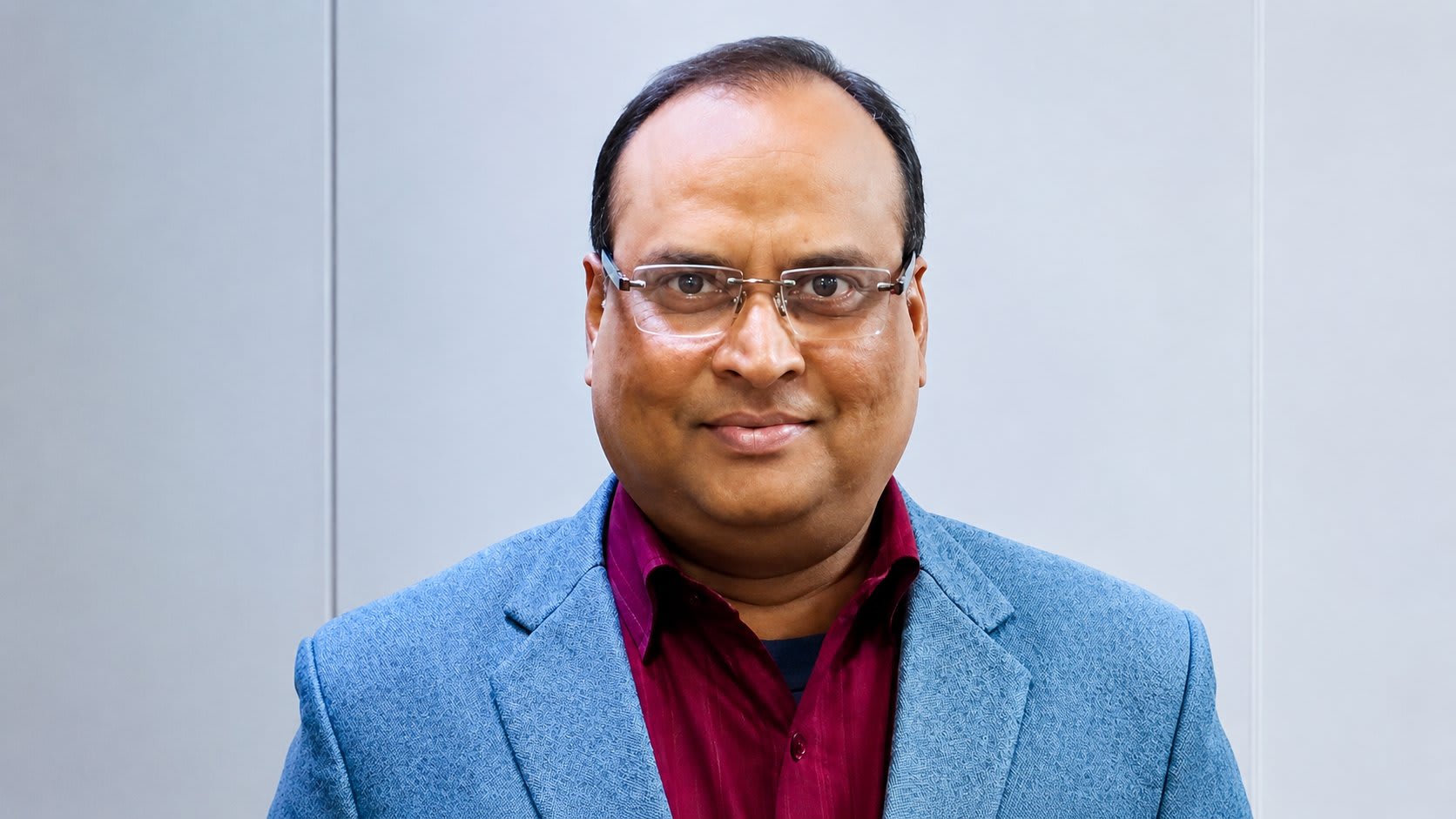
Dr. Mohammad Makhmoor Sadri is a distinguished Indian Urdu scholar, academician, researcher, and literary critic known for his remarkable contribution to Urdu literature, progressive criticism, and the historical study of Urdu journalism.

A glimpse into the life, background, and heritage of Dr. Mohammad Makhmoor Sadri.
Dr. Mohammad Makhmoor Sadri is a distinguished Indian Urdu scholar, academician, researcher, and literary critic known for his remarkable contribution to Urdu literature, progressive criticism, and the historical study of Urdu journalism. Through his scholarly writings, academic engagements, and literary research, he has established himself as an influential voice in contemporary Urdu intellectual discourse.
With decades of dedication to Urdu studies, Dr. Sadri’s work reflects a deep commitment to preserving the literary, cultural, and journalistic heritage of the Urdu language while critically examining its social, political, and progressive dimensions.
Dr. Mohammad Makhmoor Sadri possesses an outstanding academic record, having achieved First Division honors throughout his educational journey. He completed his higher studies in Urdu literature with distinction and was awarded a Ph.D. in 2006. He also successfully qualified the prestigious National Eligibility Test (NET), further strengthening his academic credentials.
His academic excellence and scholarly capabilities led to his association with several renowned educational institutions and universities in India.
Dr. Sadri has been associated with some of India’s leading academic institutions, particularly in the field of Urdu studies.
His participation in academic panels and university-level literary discussions reflects his respected standing among Urdu scholars and researchers.
Dr. Mohammad Makhmoor Sadri’s research primarily focuses on:
His scholarly approach combines historical investigation with critical literary analysis, making his research highly valuable for students, researchers, and scholars of Urdu literature.
One of Dr. Sadri’s most notable scholarly areas is the study of 19th-century Urdu journalism and its relationship with political consciousness and resistance movements in colonial India.
His research explores:
He has extensively analyzed historically significant newspapers such as:
Through these studies, Dr. Sadri has contributed significantly to understanding the role of Urdu journalism in India’s intellectual and nationalist history.
One of Dr. Sadri’s most acclaimed scholarly works, this book critically examines the evolution of Progressive literary criticism in Urdu literature. It discusses Marxist thought, scientific criticism, realism, and the ideological foundations of progressive literary movements in Urdu poetry and prose.
A significant academic study focusing on structural experimentation and narrative techniques within Progressive Urdu short stories. The work analyzes artistic form, literary innovation, and storytelling methods used by prominent Urdu fiction writers.
An important historical research paper examining the role of Urdu journalism during the 1857 War of Independence. The study evaluates how Urdu newspapers contributed to anti-colonial awareness and resistance narratives during British rule.
A detailed scholarly exploration of one of the important historical Urdu newspapers of Lucknow. The research highlights its literary, cultural, and social influence in Awadh during the 19th century.
An academic contribution published through educational platforms such as IGNOU/eGyanKosh, focusing on the development and tradition of Urdu short stories for university-level learners and researchers.
Dr. Sadri’s writings are characterized by:
His work bridges classical Urdu literary traditions with modern critical theories, helping readers understand Urdu literature within broader social, cultural, and political frameworks.
Dr. Mohammad Makhmoor Sadri is respected among Urdu scholars for his:
His books and research papers continue to serve as valuable references for:
Through his extensive scholarship and literary criticism, Dr. Mohammad Makhmoor Sadri has played an important role in enriching Urdu academic studies in India. His dedication to documenting literary history, analyzing progressive thought, and preserving the intellectual heritage of Urdu journalism has earned him recognition as a significant contemporary Urdu scholar.
His work continues to inspire future generations of researchers, critics, and students committed to Urdu literature, journalism history, and progressive intellectual traditions.
Important milestones in the life of Dr. Mohammad Makhmoor Sadri.
Achieved First Division in all major academic examinations, reflecting exceptional academic performance from the beginning of his educational journey.
Completed higher education in Urdu Literature with distinction, developing expertise in Urdu literary criticism, journalism, and research.
Successfully cleared the prestigious National Eligibility Test (NET), establishing eligibility for university-level teaching and research in India.
Earned a Doctor of Philosophy (Ph.D.) in Urdu Literature in 2006, marking the beginning of an influential academic and research career.
Served as a Research Associate, contributing to advanced academic research and scholarly activities in Urdu language and literature.
Included in the prestigious Category-I Ad-hoc Panel for Assistant Professors at the Department of Urdu, University of Delhi, recognizing his academic excellence and teaching credentials.
Participated in academic and research activities related to Urdu language, literature, and literary criticism.
Recognized for scholarly contributions and participation in university-level academic discussions and Urdu research.
Published one of his most significant scholarly books exploring the evolution of Progressive literary criticism in Urdu through historical and ideological analysis.
Published an academic study examining structural innovation and narrative techniques in Progressive Urdu short stories.
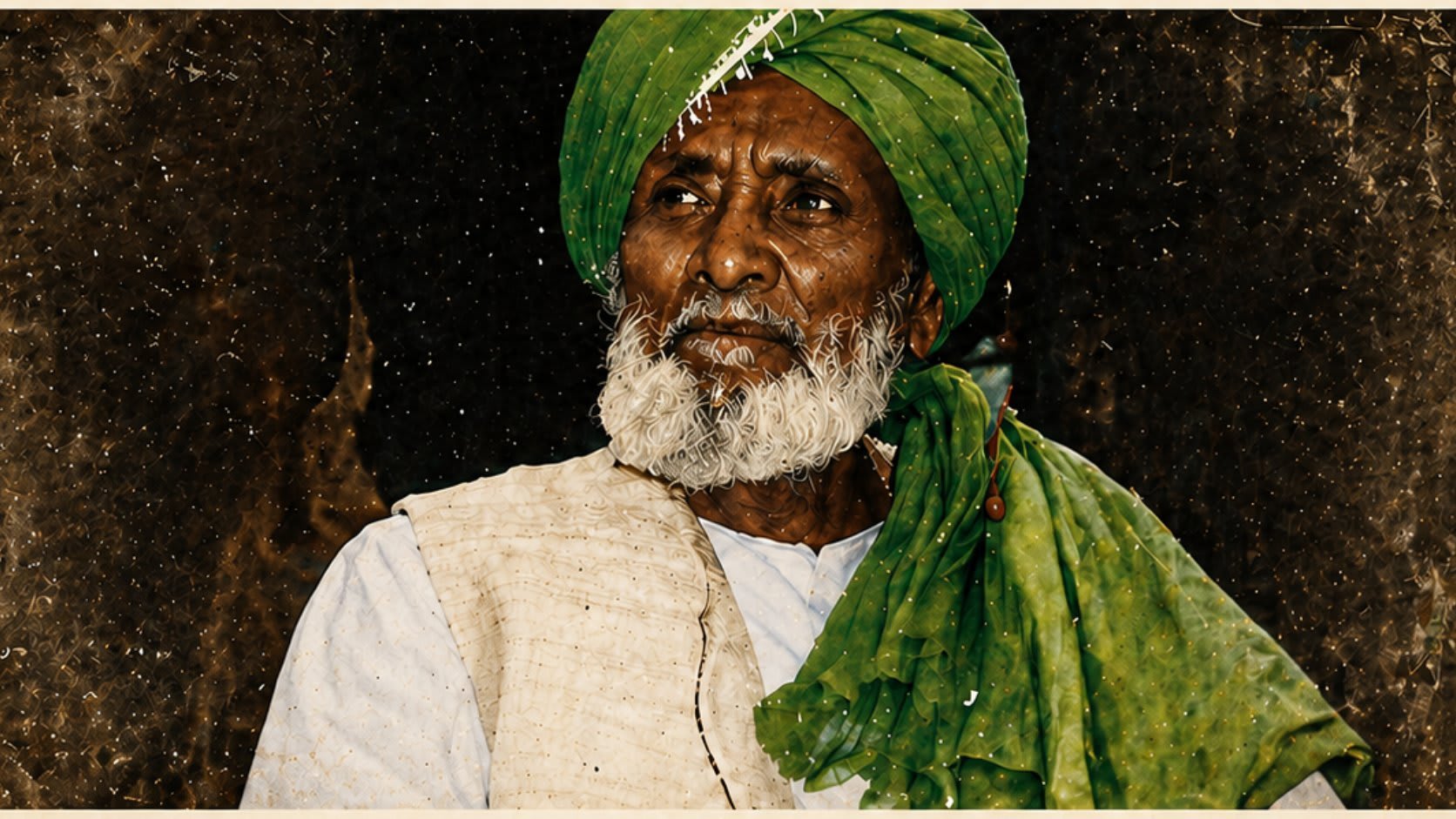
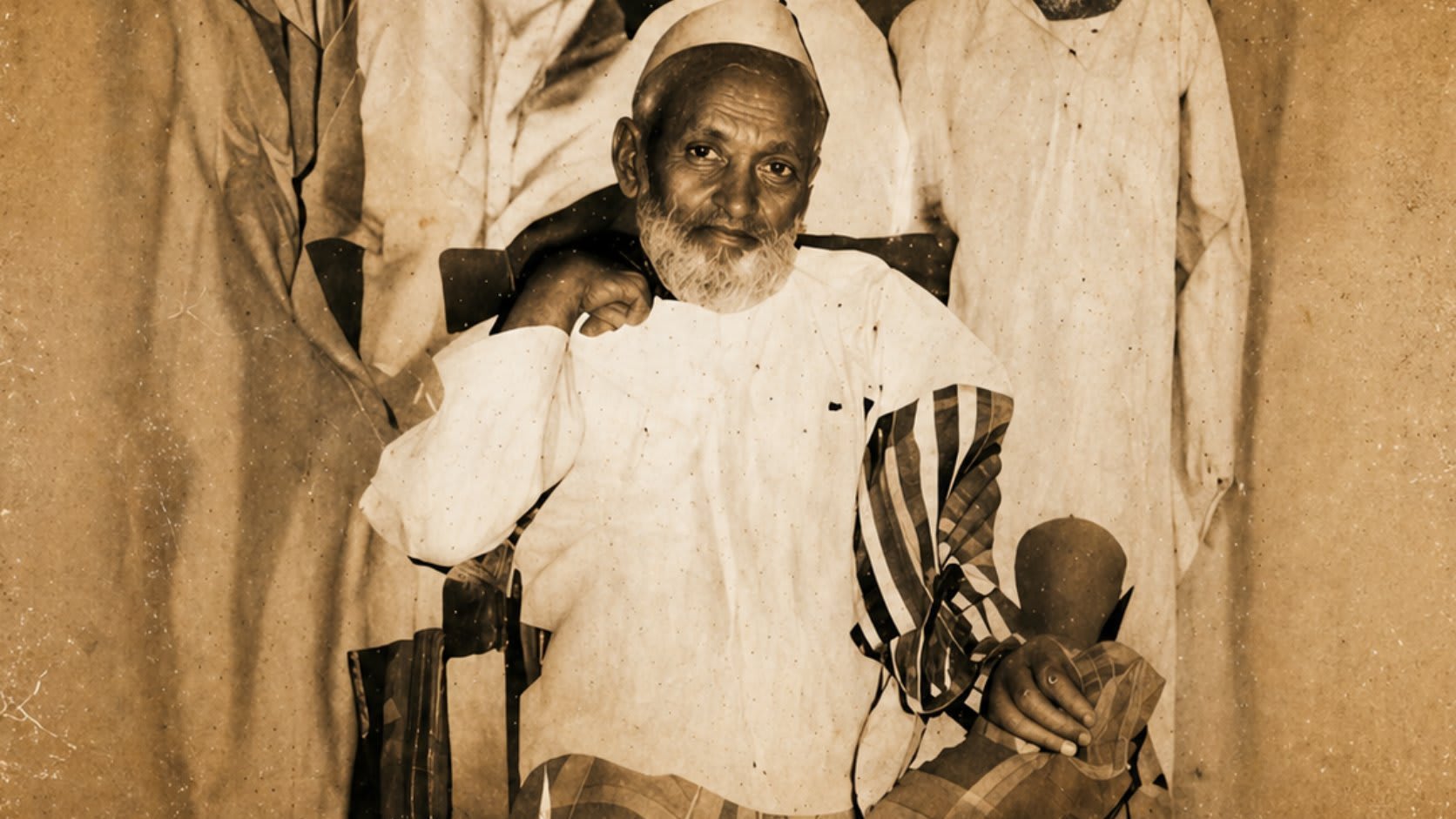
Direct ancestral lineage leading to Dr. Mohammad Makhmoor Sadri.
Key details about Dr. Mohammad Makhmoor Sadri.
Prominent Urdu Scholar | Researcher | Literary Critic | Academician
Ph.D.
New Delhi
30
Scholar
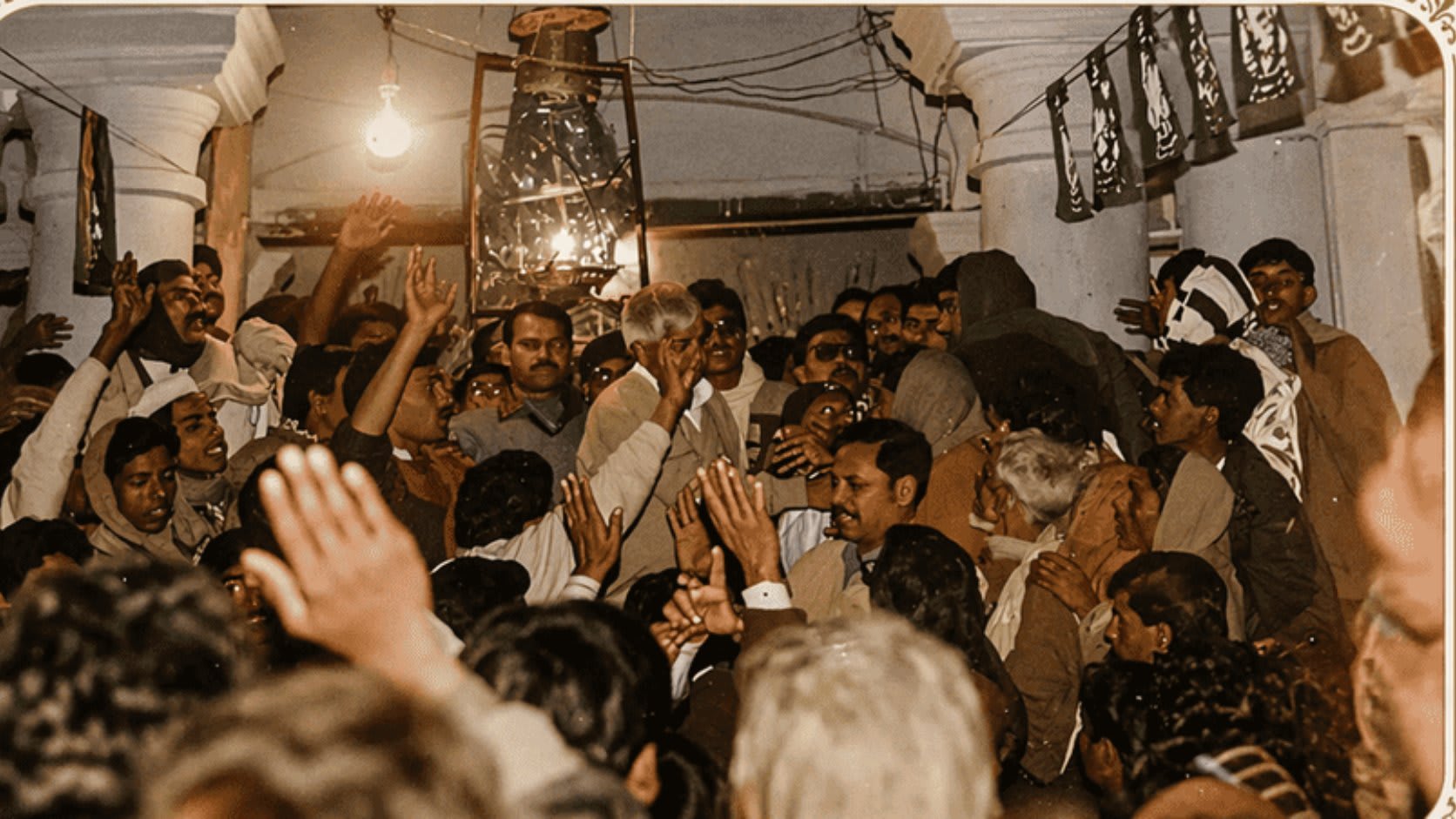
Memorable moments from the life of Dr. Mohammad Makhmoor Sadri.
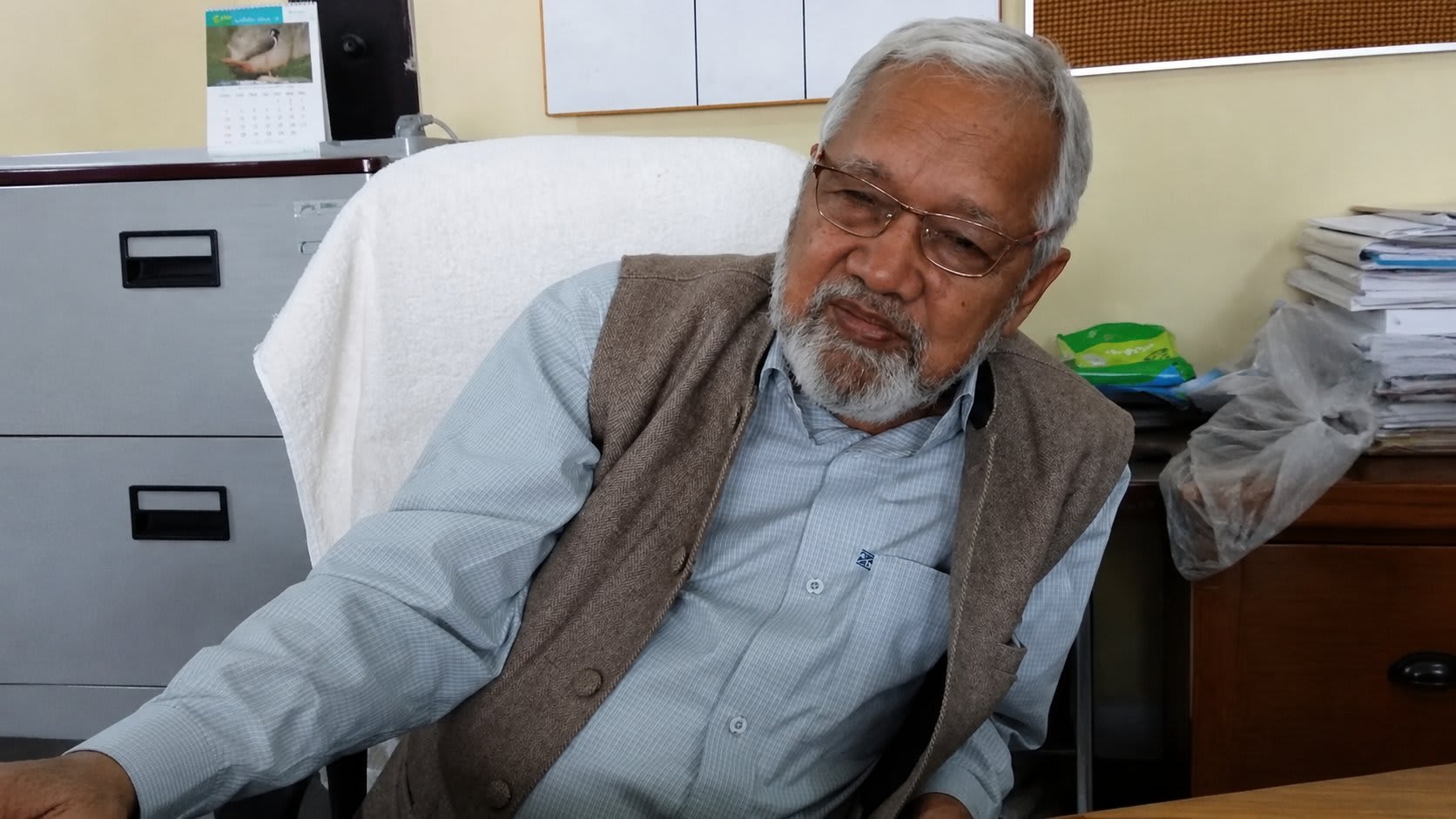
Explore other members of the Sadri Villa Heritage family.